Mines at Mostbet brings a sharp, skill-testing grid game to players in Nepal, where every safe tile you uncover pushes your multiplier higher. The 5x5 board pits your nerve against hidden mines, and with a 97% RTP and stakes starting at just NPR 10, the format suits cautious and bold players alike. Dive into mines mostbet today and discover how far your multiplier can climb before you cash out.
What Mines is and how the grid works
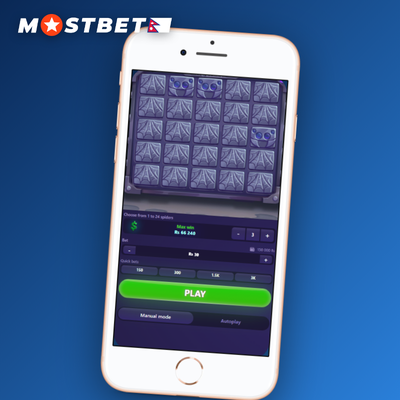
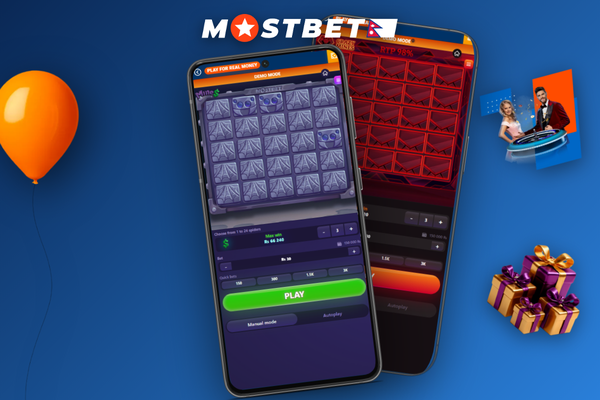
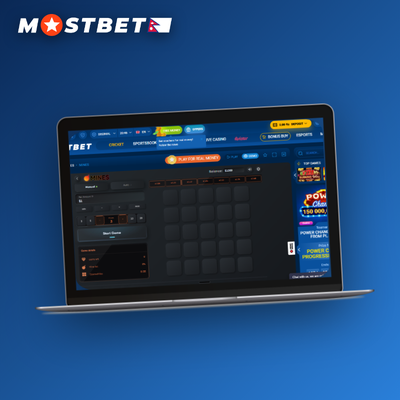
Mines at most bet puts you on a 5x5 grid where every tile hides either a gem or a mine. You choose how many mines to place, then reveal tiles one by one — each gem uncovered pushes your multiplier higher. Cash out before a mine appears and the winnings are yours. The game carries a 97% RTP and accepts stakes from NPR 10, making the numbers behind each round well worth understanding.
Mines at a glance
RTP
97%
Minimum bet
NPR 10
Maximum bet
NPR 100,000
Maximum multiplier
10000x
Demo mode
Yes
Auto play
Yes
Stakes start at NPR 10, so every type of player can join a round without pressure. The multiplier climbs with every safe tile you uncover, and the ceiling sits at a remarkable 10000x — hit cash out at the right moment and that figure becomes real money in your balance. Not ready to wager yet? Demo mode lets you explore the full grid at zero cost to your funds. Pair your practice sessions with mostbet tips to sharpen your approach before switching to real play.
Gems, Mines and the Growing Multiplier
Each round has a simple tactile rhythm. You tap a tile — if a gem appears beneath it, the multiplier ticks upward and the next tile is yours to choose. Consecutive safe reveals push that counter higher with every click, rewarding patience and nerve in equal measure. The moment you uncover a mine, though, the round ends instantly and your stake is gone. That tension between holding on for one more gem and walking away with what you have is the entire heartbeat of the game.
Visually it plays out on a dark grid where unrevealed tiles sit in shadow. Each gem you expose lights up with a satisfying glow, while the multiplier counter beside the board climbs in real time — a constant reminder of what a cash-out right now would put in your balance. The higher your mine count setting, the steeper that climb, because the odds of each safe tap shorten and the game compensates accordingly.
If you enjoy watching a counter rise while you decide when to stop, you may also want to try the mostbet aviator app — it runs on a similar escalating-multiplier logic, just with a different visual theme. Both games reward the same discipline: knowing when the number in front of you is already worth taking.
Watch Your Multiplier Grow in Real Time
Start with a free demo or stake NPR 10 to see how each safe tile pushes the multiplier higher.
How provably fair keeps every round honest
Every round of Mines runs on a provably fair system, meaning mine positions are locked by a cryptographic seed before you reveal a single tile. Once the round ends, you can verify the result independently — no trust required. If you ever need help checking a result or have questions about your mostbet document number during account verification, support is close at hand.
The server seed is generated and hashed before the round begins, so mine positions are already fixed before you touch the board.
You control your own client seed and can change it at any time, giving you a direct role in shaping each provably fair outcome.
A nonce increments automatically with every round, ensuring no two results share the same input values.
The hash of the server seed is published before play starts — you can record it and compare it to the revealed seed after the round ends.
A built-in verification tool lets you replay any past round to confirm that mine placements matched the original seed combination exactly.
Every round of Mines is settled before your first tap — mine positions are locked at the moment the round starts, not shaped by where you click or how long you wait. No external tool, pattern chart, or calculator can predict tile outcomes because each result is mathematically independent. Play with a clear head and let the verified numbers speak for themselves.
Smart approaches for playing Mines
No approach changes the underlying tile probability — each round outcome is random, and no tool can predict where mines land. What you can control is your risk level and how you structure your bets. Conservative low-mine setups preserve your bankroll longer, while a balanced 3-5 mine configuration pushes multipliers higher. Sound bankroll management ties it all together.
Practical tips that respect the odds
Begin with 1-3 mines to learn how payouts scale before raising the difficulty.
Open demo mode first — it lets you explore the grid with no real stakes.
Set a firm session budget before each sitting and stop when you reach it.
Cap your consecutive safe reveals at 3-5 gems per round, then cash out rather than pushing further.
Avoid the Martingale strategy; doubling your stake after losses can drain a bankroll faster than a single bad round.
Try auto play with the minimum bet of NPR 10 to observe payout patterns without committing larger sums.
Treat bankroll management as your primary tool — it is the one variable you fully control each session.
No approach changes where mines are hidden, because each round outcome is random and no tool can predict where mines are placed. What separates disciplined players from impulsive ones is knowing when to cash out. Locking in a modest multiplier beats chasing a bigger one and hitting a mine on the final reveal.
Cash out timing beats tile picking
Every tile on the grid carries the same tile probability of being safe or mined — the board has no memory, no hot spots, and no pattern waiting to be decoded. That means the real decision in Mines is not which square to tap next, but when to press cash out and convert your running multiplier into actual balance. The longer you stay in a round, the higher the multiplier climbs, but the smaller your remaining safe-tile pool becomes, and variance compounds with every reveal.
Think of it as a sliding scale between frequency and size. Cashing out at a modest multiplier — say, after two or three reveals — means you win that round more often, even if each payout is smaller. Holding on for a towering multiplier is mathematically riskier: the probability of striking a mine on the next tile increases with each gem you uncover. Neither approach is wrong, but being clear about which one you are choosing before you start a round keeps impulsive decisions out of the equation.
A practical mental rule: decide your target multiplier before you place a bet, then honour it. If you set 3x as your exit point, tap cash out the moment you reach it — do not renegotiate mid-round. This discipline does not change the odds, but it stops the multiplier display from becoming a temptation to push one tile further than your original plan allowed.
Find Your Ideal Cash-Out Moment
Start with a small stake to practice reading the grid and deciding when to collect your winnings.
Playing Mines step by step
Each round of Mines takes under a minute to complete. Open demo mode to practice without spending a rupee, or log in and set a real stake. Pick your mine count, reveal tiles one at a time, and cash out the moment your multiplier reaches a level you're happy with. The five steps below walk you through the full process.
Five steps from bet to cash out
1
Log in and open Mines
Sign in to your Mostbet account and select Mines from the casino menu to start a fresh round.
2
Set your stake
Enter any amount from NPR 10 up to NPR 100,000 per round of mines mostbet offers.
3
Choose mine count and mode
Pick 1 to 24 mines, then select manual mode for full tile control or switch on auto play to reveal tiles automatically.
4
Tap tiles to uncover gems
Each gem you reveal pushes the multiplier higher — keep going as long as you're comfortable with the risk.
5
Cash out before a mine appears
Hit cash out at any point to lock in your current multiplier. One mine ends the round and forfeits your stake.
Before risking real NPR, take advantage of demo mode to walk through every step at no cost. You can place practice bets, reveal tiles, and watch the multiplier climb — all without spending a rupee — so the flow feels natural the moment you switch to real play.
Setting Your Bet and Mine Count
The control panel is the first thing you see when a new round loads. In the bet field you type any amount between NPR 10 and NPR 100,000 — start low while you are still finding your rhythm. Directly below sits the mine-count selector, where you choose how many hidden mines the grid will contain. This single decision shapes everything that follows: a low number like 1 or 2 keeps each safe pick at a modest multiplier, but the round is far easier to extend across many tiles. Push the selector toward 10 or more and the multiplier jumps sharply with every gem you uncover — yet a single wrong tap ends the round immediately.
Once the bet and mine count are set, choose between manual mode and auto play. In manual mode you click each tile yourself and decide exactly when to cash out, giving you full control over risk at every moment. Auto play lets you define a target multiplier or a tile count in advance; the game then reveals tiles automatically and stops when your condition is met. Neither option changes the underlying odds — each round outcome is determined at the start and no tool can predict where mines are placed — but the toggle does change how actively you manage the session. A player in Pokhara grinding through a long session might prefer auto play to reduce fatigue, while someone who enjoys the tension of each reveal will stick to manual mode.
Revealing Tiles and Cashing Out
Once your bet is confirmed and the round begins, every tap on the 5x5 grid is a decision. Click a square and one of two things happens: a gem appears and your multiplier climbs, or a mine ends the round instantly. Watch that multiplier badge after each consecutive safe reveal — it rises faster the more mines you set at the start, because the probability of each safe tile shrinks with every click.
The key moment comes when you have a few gems on the board and the multiplier sits at a level you are comfortable locking in. At that point, press the cash out button. Your winnings are calculated immediately — current stake multiplied by the displayed figure — and the amount lands in your account balance. You do not have to uncover every safe tile to collect. Cashing out early with a modest multiplier is a completely valid choice, and many players in Pokhara and Kathmandu treat that discipline as the core of their session management.
If you keep tapping without cashing out, the multiplier continues to grow with each gem uncovered, but so does the chance of hitting a hidden mine. The round only locks in a win the moment you press cash out — until then, nothing is secured. No tool can predict where mines are placed, so every tile you reveal is an independent risk. Stay aware of where the multiplier stands, trust your own limit, and hit that button before the grid decides for you.
Choosing mine count and matching the risk
Every mine count you choose acts as your personal risk dial. Slide it low and the grid stays mostly safe, but multipliers grow slowly because binomial probability keeps your odds comfortable. Push the mine count higher and variance explodes — each tile you reveal carries genuine danger, yet the multiplier leaps sharply with every safe click. Understanding this trade-off is the foundation of every risk level decision you make before a round starts.
Mine count versus payout scale
1
Safe chance (1st tile)|Multiplier growth
1
96%|Slow, steady
3
88%|Moderate climb
5
80%|Faster scaling
10
60%|Sharp jumps
24
4%|Near-instant peaks
Your risk level preference shapes how you play. Stick to 1-2 mines for a slow-grind style where each safe tile lands with high confidence and bankroll management stays simple. Move to 3-5 mines for a balanced session that blends reasonable odds with meaningful multiplier growth. Choose 10 or more mines only for short, high-variance bursts where you accept steep risk in exchange for sharper climbs.
Four risk profiles at a glance
Mostbet Mines — Safe Steady Start
Long sessions, modest multipliers — perfect for learning cash-out timing near NPR 10 stakes.
Mostbet Mines — Balanced Risk Play
The most popular risk level: solid multipliers per pick with plenty of safe tiles remaining.
One or two clicks for a shot at the 10000x cap; expect frequent losses, so play micro-stakes only.
Common questions about Mines at Mostbet
Can any pattern or tool predict where mines land in Mines Mostbet?
No tool or pattern can predict mine positions. Each round uses a provably fair seed system, making every outcome independently random — no app or calculator changes that.
Is a Mines calculator worth using?
A calculator can show you the probability of hitting a gem on your next pick, but it cannot tell you which tile is safe. Use it to understand risk, not as a guide to specific squares.
Can I play Mines on mobile?
Yes. The game runs directly in your mobile browser without a separate download. Players in Kathmandu and Pokhara report smooth performance on both Android and iOS devices.
What is the maximum win multiplier?
The maximum win multiplier in Mines is 10000x your stake. Reaching it requires revealing nearly every gem on the board with a high mine count — a rare outcome that demands you cash out at the right moment.
What is the RTP for Mines?
Mines carries an RTP of 97%, meaning the house edge is slim. That figure applies over a very large number of rounds and does not predict results in any single session.
Set Mines, Watch Your Multiplier Rise
Choose your mine count, reveal tiles and cash out your way — rounds start from NPR 10 at Mostbet.